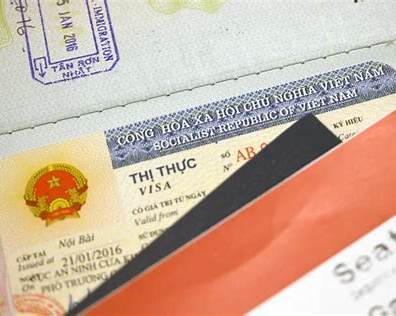
If you’re an Australian planning a trip to Vietnam, you’re probably wondering about visa requirements. The good news? Getting a Vietnam visa as an Australian is straightforward, and you’ve got several options depending on your travel plans.
This guide covers everything you need to know about Vietnam visas specifically for Australian passport holders—what you need, how to apply, common mistakes to avoid, and realistic timeframes. Whether you’re visiting for a week or staying longer, we’ll walk you through the process step by step.
Do Australians Need a Visa for Vietnam?
Yes, Australian passport holders need a visa to enter Vietnam.
Unlike some Southeast Asian countries that offer visa-free entry to Australians, Vietnam requires you to arrange a visa before you arrive. There’s no visa exemption for Australian citizens, regardless of how long you’re staying.
The exception: If you’re only transiting through a Vietnamese airport and not passing through immigration (staying airside), you won’t need a visa. But if you’re leaving the airport or staying in Vietnam for any length of time, a visa is mandatory.
Vietnam Visa Options for Australians
You have three main ways to get a Vietnam visa as an Australian:
1. Vietnam eVisa (Electronic Visa)
- Best for: Most Australian tourists and short-term visitors
- Validity: Up to 90 days, single or multiple entry
- Processing: Apply online through the official government website
- Time needed: Typically 3 business days
- Where you apply: From home in Australia
2. Visa on Arrival
- Best for: Emergency situations or if you can’t apply online
- Validity: Various options available
- Processing: Requires a pre-arranged approval letter, then you collect the visa at the airport
- Time needed: Approval letter takes 2–3 business days; airport processing adds 30–60 minutes on arrival
- Where you apply: Online for approval letter, then at specific Vietnamese airports only
3. Embassy/Consulate Visa
- Best for: Long-term stays, work visas, or complex visa situations
- Validity: Various options, including longer-term visas
- Processing: In person or by mail at the Vietnamese Embassy in Canberra or Consulate-General in Sydney
- Time needed: Usually 5–7 business days
- Where you apply: Vietnamese Embassy/Consulate in Australia
For most Australians visiting Vietnam for tourism or short business trips, the eVisa is the simplest and most cost-effective option. You don’t need to visit an embassy, and you can do everything online from home.
Vietnam eVisa for Australians
The Vietnam eVisa is an electronic visa that you apply for entirely online. It’s linked to your passport electronically, so you don’t need any physical documents stuck in your passport—you just print out the eVisa approval (or keep it on your phone) and show it when you arrive in Vietnam.
What You Get with a Vietnam eVisa
- Single entry or multiple entry options: Choose based on whether you plan to leave and re-enter Vietnam (e.g., side trip to Cambodia)
- Up to 90 days: You can stay for up to 90 days from your entry date
- Valid for all entry points: You can enter through any international airport, land border crossing, or seaport in Vietnam
- No need to visit an embassy: Everything is done online
Who Can Use the Vietnam eVisa?
All Australian passport holders are eligible for the Vietnam eVisa. You just need:
- A valid Australian passport with at least 6 months validity from your arrival date
- A way to pay online (credit/debit card)
- A digital photo and scanned copy of your passport
Step-by-Step: How Australians Apply for a Vietnam eVisa
Here’s exactly how to apply for your Vietnam eVisa as an Australian. The process is straightforward but requires attention to detail.
Step 1: Go to the Official Vietnam eVisa Website
Visit the official Vietnamese government website for eVisas: https://evisa.gov.vn/
Important: Make sure you’re on the official government site. There are many third-party websites that charge extra fees. The official site is the cheapest option.
Step 2: Fill Out the Online Application Form
You’ll need to provide:
- Personal information: Full name (exactly as it appears in your passport), date of birth, gender, nationality (Australia)
- Passport details: Passport number, issue date, expiry date
- Travel information:
- Purpose of entry (tourism, business, etc.)
- Intended entry and exit dates
- Entry point (which airport or border crossing you’ll use)
- Temporary address in Vietnam (your hotel address is fine)
- Contact details: Email address (this is where your eVisa will be sent)
Step 3: Upload Your Documents
You’ll need to upload:
- A scan of your passport data page (the page with your photo and details)
- Must be clear and readable
- Accepted formats: JPG, JPEG, PNG
- File size under 1MB
- A recent passport photo
- Plain background (white or light coloured)
- No glasses or hat
- Face clearly visible
- Accepted formats: JPG, JPEG, PNG
- File size under 1MB
Tip: Use your phone to take both of these if you don’t have access to a scanner. Just make sure the lighting is good and everything is in focus.
If you’re unsure whether your photo meets the exact digital requirements, see our full Vietnam Visa Photo Requirements for Australians: Size, Format and Common Mistakes in 2026 guide. It explains sizing, background rules, file format issues, and the most common mistakes that cause rejection.
Step 4: Double-Check Everything
Before you submit, carefully review all your information. Common areas where mistakes happen:
- Passport number (easy to mistype)
- Name spelling (must match your passport exactly)
- Entry and exit dates (make sure they cover your entire stay)
Step 5: Pay the eVisa Fee
Pay using a credit or debit card. The payment is made directly on the government website.
Once payment is complete, you’ll receive a confirmation email with a registration code. Save this code—you’ll need it to check your application status.
Step 6: Wait for Your eVisa
Processing typically takes 3 business days, but it can be faster or occasionally take longer during peak travel seasons.
If you’re concerned about realistic approval timelines, read our detailed breakdown of Vietnam Visa Processing Time for Australians: How Long It Really Takes in 2026, including working-day rules and what to do if your visa is delayed.
You can check your application status at any time on the eVisa website using your registration code and email address.
Step 7: Download and Print Your eVisa
Once approved, you’ll receive an email notification. Log back into the eVisa website, download your approved eVisa (it’s a PDF), and:
- Print at least 2 copies (one for arrival, one backup)
- Save a copy on your phone as a backup
You’ll need to show your eVisa when checking in for your flight to Vietnam and again when you arrive at Vietnamese immigration.
Common Vietnam Visa Mistakes Australians Make
Avoid these common errors that can delay your application or cause problems at the airport:
1. Applying Too Late
Don’t apply the day before your flight. Give yourself at least 5–7 days to account for processing time and any potential issues. If you’re rejected for any reason, you’ll have time to reapply.
2. Passport Validity Issues
Your passport must be valid for at least 6 months from your date of entry into Vietnam. Check your expiry date before applying. If your passport is close to expiring, renew it first.
3. Typos in Personal Information
A surprisingly common mistake. Double-check that your name, passport number, and dates match your passport exactly. Even a small typo can result in rejection or problems at immigration.
4. Poor Quality Photos or Scans
Blurry, dark, or unclear images will be rejected. Make sure your passport scan shows all details clearly, and your photo meets the requirements (plain background, no shadows, face clearly visible).
5. Wrong Entry/Exit Dates
Make sure your visa dates cover your entire stay in Vietnam. If your plans change and you need to stay longer, you can’t extend an eVisa—you’d need to apply for a new one.
6. Not Printing the eVisa
Some Australians assume showing it on their phone is enough. While this sometimes works, airlines and immigration officers may request a printed copy. Always carry printed copies.
7. Using Third-Party Websites Accidentally
Many websites look official but charge much higher fees. Always use the official government website (evisa.xuatnhapcanh.gov.vn) to apply directly.
8. Declaring Shorter Stay Than Actual Plans
This is a costly mistake some Australians make. When you apply for your eVisa, you’ll be asked to provide your intended exit date. Even though your visa may be valid for 30 or 90 days, you must leave Vietnam by the exit date you declared on your application—not by the visa expiry date.
If you stay beyond your declared exit date (even if your visa is still technically valid), Vietnamese immigration considers this an overstay. Fines vary but have been reported to range from AUD $80–$150+ depending on how many days you overstay and the immigration officer’s discretion. Some Australians have reported fines of close to $100 AUD for staying just a couple of days beyond their declared date.
How to avoid this:
- Build buffer time into your exit date when applying
- If your plans are flexible, choose an exit date that covers the maximum time you might stay
- If your plans change after approval, be aware you may face fines if you stay beyond your declared date
How Long Does a Vietnam Visa Take for Australians?
Standard eVisa processing time: 3 business days
In practice:
- Many applications are approved within 1–2 business days
- During busy periods (public holidays, peak tourist seasons), it may take the full 3 days or slightly longer
Visa on Arrival approval letters: Usually 2–3 business days, plus collection time at the airport (30–60 minutes in the queue).
Embassy/Consulate applications: Typically 5–7 business days, though this can vary.
When Should Australians Apply?
Recommended timeline:
- Minimum: Apply at least 5–7 days before your departure
- Ideal: Apply 2–3 weeks before your trip to avoid any stress
- Last-minute situations: If you’re traveling within 72 hours, consider contacting the Vietnamese Embassy directly or using a visa service (more on this below)
Remember that “business days” doesn’t include weekends or Vietnamese public holidays. If you’re applying just before Tet (Vietnamese New Year, usually late January or early February), allow extra time.
Vietnam Visa Fees – What Australians Should Expect
Visa costs vary depending on which method you choose, but here’s what to expect as an Australian in 2026:
eVisa Fees
The official government eVisa fee is charged in USD and typically ranges from USD $25–$50 depending on whether you choose single or multiple entry.
This is a one-time fee that includes processing. There are no hidden costs if you apply directly through the official website.
Visa on Arrival Fees
This involves two payments:
- Approval letter: Usually USD $10–$30 (paid to the agency arranging it)
- Stamping fee at the airport: USD $25–$50 (paid in cash at the airport)
Total cost is similar to an eVisa, but you need cash on arrival.
Embassy/Consulate Fees
Fees vary depending on the type and duration of visa. Generally, expect to pay AUD $80–$200+ for standard tourist visas.
Payment Tips for Australians
- eVisa applications usually accept Visa and Mastercard
- At the airport (for Visa on Arrival), you’ll need cash in USD
- Some currency exchange is available at Vietnamese airports, but rates aren’t great
Should Australians Use a Vietnam Visa Service?
Many third-party companies offer to help Australians get Vietnam visas. Are they worth it?
What Visa Services Do
These companies act as intermediaries. They’ll:
- Fill out your application for you
- Submit it on your behalf
- Handle communication with Vietnamese authorities
- Sometimes offer rush processing
Pros
- Convenience: Someone else handles the paperwork
- Reduced errors: They’re experienced and catch common mistakes
- Rush options: Some offer expedited processing (though this costs extra)
- Support: You can call or email if you have questions
Cons
- Higher cost: You’ll pay service fees on top of the official visa fee—often 2–3 times the cost
- Your information goes through a third party: You’re trusting them with your passport details
- Not necessary for most Australians: The eVisa process is already straightforward
Our Take
For most Australian travelers, using a visa service isn’t necessary. The official eVisa website is user-friendly, and the process is simple enough to do yourself in about 15 minutes.
However, some Australians prefer to use a visa service for extra reassurance—particularly if they’re short on time, worried about making mistakes, or applying for a more complex visa. In those cases, using a reputable visa service can help ensure applications are completed correctly and processed as quickly as possible. Insert Link (where text is bold)
Consider using a service if:
- You’re very uncomfortable with online applications
- You’re traveling on extremely short notice and need urgent processing
- You’re applying for a complex visa type (work visa, long-term stay)
- You’re traveling as a group and want one person to handle all applications
Don’t bother if:
- You’re comfortable filling out online forms
- You’re applying at least a week in advance
- You want to save money
If you do use a service, research reviews carefully and choose a reputable company.
FAQs
Can I extend my Vietnam eVisa once I’m in Vietnam?
No, Vietnam eVisas cannot be extended. If you need to stay longer, you’ll need to exit Vietnam and apply for a new visa before re-entering, or arrange a visa extension through an immigration office (which can be complicated and expensive).
What if my visa application is rejected?
Rejections are rare if you’ve filled everything out correctly, but they can happen due to errors, poor quality documents, or security concerns. If rejected, you can reapply and correct any issues. The fee is non-refundable, so you’ll pay again for the new application.
Can I enter Vietnam before or after my stated entry date?
You can enter on your stated date or any time after it (within the visa validity period). However, you cannot enter before your stated entry date. Make sure your entry date is on or before your actual arrival date.
Do I need a visa for transit through Vietnam?
If you’re staying airside (not passing through immigration), you don’t need a visa. If you’re leaving the airport or staying overnight in Vietnam, you need a visa even for a short transit.
Can I use my eVisa to enter Vietnam multiple times?
Only if you selected the multiple-entry option when applying. Single-entry eVisas are valid for one entry only. If you leave Vietnam (e.g., to visit Cambodia or Laos), you can’t re-enter on a single-entry visa.
What happens if I overstay my visa in Vietnam?
Overstaying can result in fines, deportation, and bans from re-entering Vietnam. Always stick to your visa dates. If circumstances change, deal with it before your visa expires.
Do Australian children need their own visa?
Yes, every traveler needs their own visa, regardless of age. This includes babies and children. Each child needs their own eVisa application.
Ready to Apply? Here’s What to Do Next
Getting a Vietnam visa as an Australian is simple when you know the steps. Here’s your action plan:
- Check your passport expiry date – make sure it’s valid for at least 6 months from your travel date
- Choose your visa type – for most Australians, the eVisa is the best option
- Apply online at least 1 week before departure – use the official government website
- Double-check all information before submitting, especially your intended exit date
- Print your approved eVisa and keep copies with you when you travel
Vietnam is an incredible destination for Australians—amazing food, stunning landscapes, friendly people, and great value. Don’t let visa worries hold you back. Follow this guide, give yourself enough time, and you’ll have your visa sorted without any stress.
Need more help? If you have specific circumstances or complex travel plans, contact the Vietnamese Embassy in Canberra or the Consulate-General in Sydney for personalized advice.
Safe travels, and enjoy Vietnam!
Last reviewed: Feb 2026
Content on this page is reviewed regularly (approximately every 3 weeks) to reflect changes to visa rules, entry requirements, and common issues affecting Australian travellers. Where requirements are critical, official government sources are referenced.