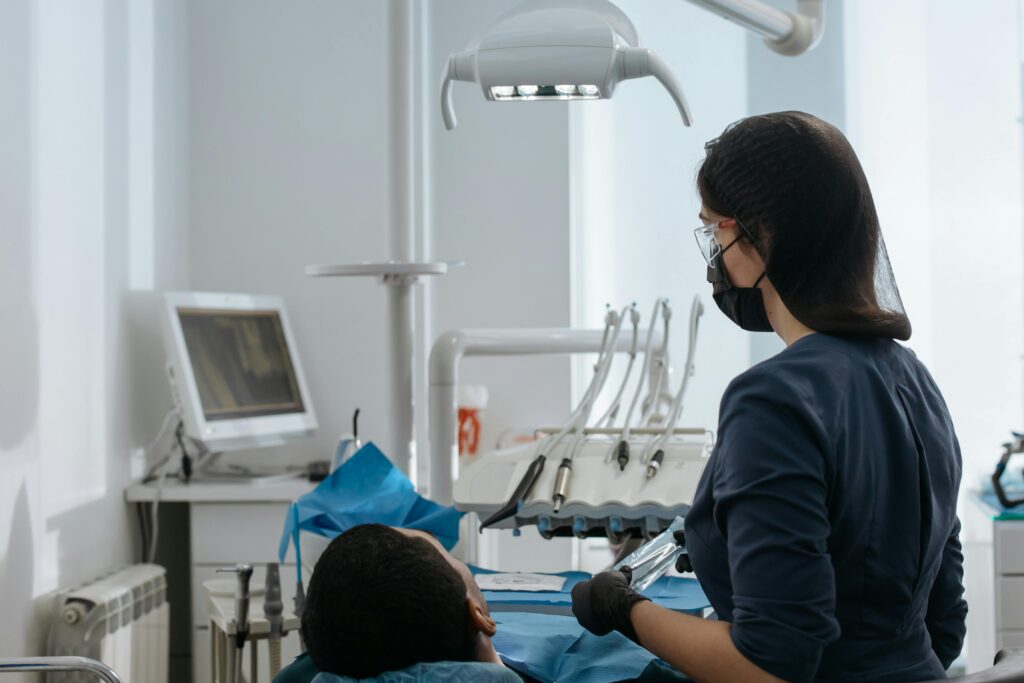
Dental work in Vietnam can be significantly cheaper than in Australia — but it requires careful planning, realistic timelines, and a clear understanding of the risks and aftercare.
This guide is general information only and is not medical or dental advice. Always seek advice from a registered dentist in Australia before making decisions about treatment.
Introduction – Australians Considering Dental Work in Vietnam
Many Australians explore dental work in Vietnam as a way to reduce the cost of veneers, crowns, implants and whitening while combining treatment with travel.
Private dental fees in Australia can be high, particularly for cosmetic procedures that are not covered by Medicare and may only be partly covered by private health extras. Vietnam’s lower labour and operating costs often result in substantially lower procedure prices.
This guide focuses on three practical areas:
- What dental work in Vietnam typically costs (in AUD terms)
- How long common treatments realistically take
- The risks and logistical issues Australians should consider
It does not recommend specific clinics or guarantee outcomes.
Why Australians Consider Dental Work in Vietnam
Australians usually consider Vietnam for financial and practical reasons rather than simply “cheap deals”.
Common factors include:
- Lower procedure costs for implants, veneers and crowns compared with typical Australian private fees
- Shorter wait times for elective cosmetic treatment
- Combining travel and treatment in major Vietnamese cities
- Cosmetic work paid out-of-pocket in Australia, encouraging comparison with overseas options
Vietnam is an option to evaluate — not an automatic replacement for local care.
Typical Costs in Vietnam (Compared to Australia)
Exact pricing varies by clinic, dentist experience, materials and case complexity. It is more realistic to think in ranges rather than fixed numbers.
All figures below are approximate AUD equivalents for comparison.
Typical Cost Comparison (AUD)
| Procedure | Australia (Typical Range) | Vietnam (Typical Range) |
|---|---|---|
| Porcelain / Ceramic Veneer (per tooth) | $1,200–$2,500 | $250–$600 |
| Crown (zirconia / ceramic, per tooth) | $1,600–$3,000 | $300–$700 |
| Single Dental Implant (incl. crown) | $4,000–$8,000 | $1,200–$3,000 |
| In-Chair Teeth Whitening | $500–$1,000 | $150–$350 |
These estimates exclude flights, accommodation and time off work.
Example Savings Scenario
8 ceramic veneers in Australia at $1,800 per tooth = $14,400
8 ceramic veneers in Vietnam at $500 per tooth = $4,000
Estimated flights + accommodation + expenses = $2,500–$3,500
Estimated total Vietnam cost: $6,500–$7,500
Potential saving: $6,000–$8,000
For single procedures, the financial advantage may be small once travel costs are included. The larger the treatment plan, the more meaningful the difference tends to be.
How Long the Process Takes
Underestimating time requirements is one of the most common mistakes.
1. Consultation and Assessment
- Initial consultation, x-rays and scans usually occur within the first few days
- Treatment planning may take 1–3 days depending on complexity
2. Tooth Preparation
For veneers or crowns:
- Shaping teeth and taking impressions or digital scans
- Fitting temporary restorations
- Often completed over 1–2 appointments
3. Lab Fabrication
- Permanent restorations are manufactured in a dental lab
- Typical turnaround: 3–7 days
- Complex cases may take longer
4. Final Fitting
- Try-in, bite checks and aesthetic adjustments
- Cementation or final fixing
- May require multiple shorter visits
5. Adjustment Period
After fitting:
- Bite may feel “high” initially
- Gums may be tender
- Minor refinements are often needed
For veneers or multiple crowns, many Australians allow 7–14 days in Vietnam.
For implants, traditional staged treatment usually requires two trips separated by 3–6 months to allow bone integration.
Always build in buffer days (at least 2–3 days after final fitting) before flying home.
What Australians Often Underestimate
Some of the biggest challenges relate to logistics rather than the procedure itself.
Commonly underestimated factors:
- Exchange rate fluctuations affecting final AUD cost
- Follow-up care in Australia if issues arise after returning
- Travel insurance exclusions for elective procedures
- Temporary restorations, which may restrict diet during travel
- Time between appointments, limiting sightseeing plans
- Gum healing and bite adjustment time
- Irreversible enamel removal for veneers, meaning treated teeth will always require restorations in future
Factoring these into your planning reduces avoidable stress.
Risks to Consider Before Booking
All dental procedures carry risk, whether performed in Australia or overseas. Overseas treatment adds logistical complexity.
Key considerations include:
- Complications after returning home requiring local private care
- Warranty limitations, often valid only at the original clinic
- Communication differences, particularly around expectations and consent
- Quality variability between clinics and materials
- Long-term maintenance needs for veneers, crowns and implants
Preparing teeth for veneers usually involves removing enamel. This is permanent. If veneers need replacement in future, further restorative treatment will be required.
Being clear that cosmetic dentistry is still medical treatment helps frame the level of caution needed.
How to Plan Treatment Safely (If You Decide to Proceed)
Structured planning reduces risk.
Practical steps:
- Obtain a detailed written treatment plan in English
- Confirm what procedures are included and excluded
- Ask about materials used (implant brands, veneer materials)
- Confirm expected lab turnaround times
- Clarify follow-up and warranty policies
- Allow several days after final fitting before flying
- Obtain copies of all x-rays, scans and treatment records
- See your Australian dentist before travel to confirm your mouth is suitable for treatment
These documents are essential if you need follow-up care in Australia.
Dental Travel Insurance & Aftercare Considerations
Travel Insurance
Most standard Australian travel insurance policies exclude complications arising from elective or pre-planned dental treatment overseas.
Before travelling, check:
- Definitions of elective treatment
- Exclusions for complication management
- Whether unrelated emergencies remain covered
Specialised medical travel policies may exist, but inclusions and limits vary.
Aftercare Planning in Australia
Before travelling, consider:
- Which Australian dentist will review or maintain your overseas work
- Whether you are prepared to pay local private fees for repairs
- What you would do if a complication occurs weeks after returning home
Planning for aftercare is as important as comparing prices.
Who Dental Work in Vietnam Is (and Isn’t) Suitable For
Potentially Suitable For
- Australians paying fully out-of-pocket for extensive cosmetic work
- Flexible travellers who can stay long enough for adjustments
- Planned, non-urgent procedures
Less Suitable For
- Emergency dental needs
- Complex medical conditions requiring coordinated care
- Travellers unable to stay for follow-up
- Minor procedures where travel costs outweigh savings
FAQs – Dental Work in Vietnam for Australians
Is dental work in Vietnam safe?
Standards vary between providers. Safety depends on the clinic, practitioner qualifications, infection control protocols and case assessment. Thorough research is essential.
How long should I stay in Vietnam for veneers?
Most Australians allow 7–14 days to cover consultation, preparation, lab time and adjustment visits.
What happens if something goes wrong after I return to Australia?
You will usually need to see an Australian dentist and pay local private fees, even if the original clinic offers a warranty.
Do Australian dentists fix overseas dental work?
Many will assess and treat issues, but fees apply and they are not bound by overseas warranties.
Is it cheaper even after flights and accommodation?
For large treatment plans involving multiple veneers or implants, total costs may still be lower. For single minor procedures, savings may be minimal.
Can I claim anything back on private health insurance?
Most Australian private health extras apply only to treatment performed in Australia.
Decision Framing
This decision involves a trade-off:
Lower upfront cost
vs
Higher logistical complexity and responsibility for follow-up
For some Australians, the savings justify the coordination required. For others, the simplicity of local treatment is worth the higher fee.
Final Summary
Dental work in Vietnam can offer meaningful cost savings for Australians, particularly for larger cosmetic or implant cases.
However, lower prices do not remove clinical risks, insurance exclusions, communication challenges or the need for long-term maintenance.
Careful planning, realistic timelines and written treatment proposals are essential.
Before committing, discuss your oral health with an Australian dentist, compare detailed treatment plans, and think through how you would manage complications after returning home.
Making a calm, informed comparison between Australian and Vietnamese options is the most practical way to decide what suits your health, budget and risk tolerance.