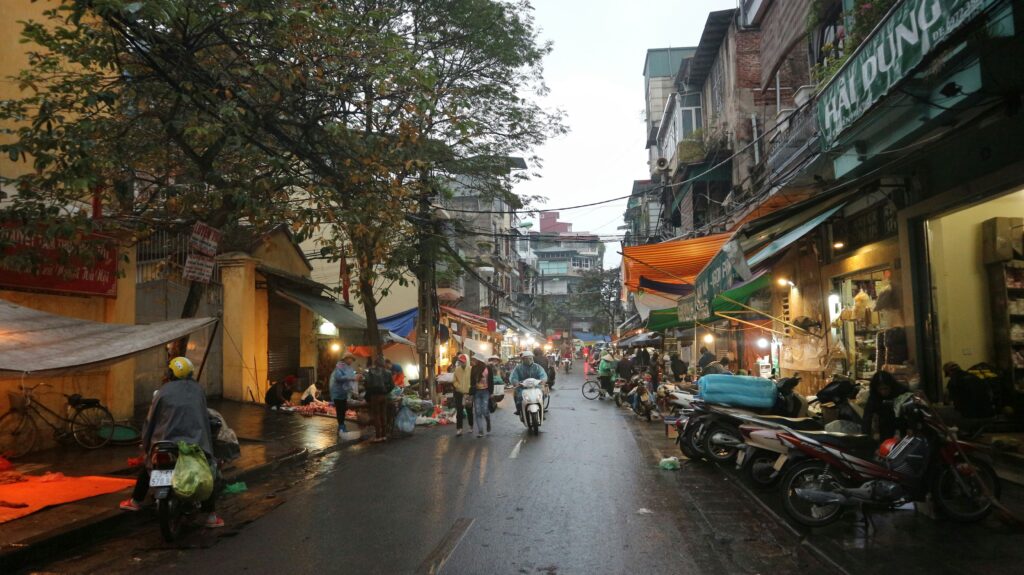
Yes, Vietnam is generally a safe destination for Australian travellers. Violent crime against tourists is rare, and most Australians visit without experiencing serious problems. The risks that do exist—petty theft, traffic accidents, and occasional scams—are manageable with basic awareness and preparation.
This guide explains what safety actually looks like in Vietnam and what Australians should know before travelling.
Short Answer
Vietnam ranks as one of the safer countries in Southeast Asia for foreign travellers. The Australian Government’s travel advisory for Vietnam sits at “Exercise normal safety precautions,” the same level as many popular European destinations.
Most safety issues Australians encounter are minor: pickpocketing in crowded areas, overcharging by taxi drivers, or confusion navigating chaotic traffic. Violent crime against tourists is uncommon. Serious incidents involving Australians typically relate to traffic accidents or pre-existing health conditions rather than crime.
That said, Vietnam is not Australia. Different rules apply, infrastructure varies between cities and rural areas, and cultural expectations around behaviour differ. Australians who prepare properly and stay alert have safe, rewarding trips.
General Safety & Crime
Violent crime: Violent crime against tourists in Vietnam is rare. Muggings, armed robbery, and assault happen far less frequently than in many Western cities. Vietnamese culture generally discourages confrontational behaviour, and tourist areas are heavily monitored.
Petty theft and pickpocketing: This is the most common issue Australians face. Bag snatching, phone theft, and pickpocketing occur in crowded markets, on public buses, and in busy tourist districts. Thieves on motorbikes occasionally grab bags from pedestrians or café tables.
These incidents are opportunistic rather than violent. Thieves target distracted tourists carrying visible valuables in accessible pockets or open bags.
Where Australians should be more cautious:
- Crowded tourist markets (Ben Thanh Market in Ho Chi Minh City, Dong Xuan Market in Hanoi)
- Busy backpacker areas late at night (Bui Vien Street, Ta Hien Street)
- Public buses and train stations during peak hours
- Beachfront areas after dark in Nha Trang and Da Nang
Keep phones, wallets, and passports secured in front pockets or cross-body bags. Don’t leave bags unattended on café chairs or motorbike seats. Most theft is preventable with basic attention.
Transport & Road Safety
Traffic presents the most significant daily risk for Australian travellers in Vietnam.
Traffic risks: Vietnamese traffic operates differently from Australia. Motorbikes dominate roads, traffic lights are treated as suggestions in many areas, and pedestrian crossings don’t guarantee right of way. Horn use is constant but not aggressive—it’s communication rather than anger.
Crossing streets requires confidence and slow, steady movement. Motorbikes flow around pedestrians who walk predictably. Hesitation or sudden stops create confusion and near-misses.
Scooter accidents and legal realities: Many Australians hire motorbikes or scooters without proper experience. This leads to accidents, particularly outside cities where road conditions deteriorate and helmet standards vary.
If you’re involved in an accident:
- Australian licences don’t automatically allow you to ride motorbikes in Vietnam
- Your travel insurance may not cover motorbike accidents without the appropriate licence
- Vietnamese hospitals require payment upfront or proof of insurance before treatment
- Police may hold your passport until damages are settled
Only hire scooters if you’re an experienced rider and hold a valid motorcycle licence. Even then, consider hiring a driver instead, particularly in Hanoi or Ho Chi Minh City where traffic is most intense.
Domestic flights and trains: Vietnam’s domestic airlines (Vietnam Airlines, Vietjet, Bamboo Airways) maintain good safety records. Domestic flights are reliable and professionally operated.
Trains are generally safe but can be crowded. Overnight sleeper trains between Hanoi and other cities are popular with tourists. Theft on trains happens occasionally—secure valuables and lock your cabin if travelling in a sleeper.
Health & Medical Care
Vietnam’s healthcare system is two-tiered: public hospitals serve locals and are often overcrowded, while private international hospitals cater to foreigners and expatriates.
Quality of private hospitals in major cities: Major cities (Hanoi, Ho Chi Minh City, Da Nang) have excellent private hospitals with English-speaking doctors and modern facilities. These hospitals meet Australian standards for common treatments, surgery, and emergency care.
Outside major cities, medical facilities decline quickly. Regional hospitals may lack equipment, English-speaking staff, or specialists. Serious medical emergencies in rural areas often require evacuation to Hanoi or Ho Chi Minh City.
Travel insurance: Vietnamese private hospitals require payment upfront or confirmed insurance coverage before treating patients. Without insurance, you’ll pay out-of-pocket rates that can be substantial for serious treatment.
Most Australian travel insurance policies cover Vietnam and include medical evacuation if needed. Check your policy covers pre-existing conditions and any activities you plan (scooter riding, adventure sports).
Heat, hydration, food safety: Vietnam’s climate is hot and humid. Australians from southern states often underestimate the heat, particularly in Hanoi during summer or the Mekong Delta year-round.
Drink bottled or filtered water constantly. Tap water is not safe to drink anywhere in Vietnam.
Food safety is generally good in established restaurants and hotels. Street food is safe if freshly cooked and served hot. Avoid pre-prepared food sitting at room temperature and salads washed in tap water.
Stomach upsets are common in the first few days as your system adjusts. Most resolve within 24–48 hours. Persistent symptoms warrant seeing a doctor.
Natural Risks & Environment
Weather, heat, flooding: Vietnam’s climate varies by region. Northern Vietnam experiences cool winters and hot, humid summers. Southern Vietnam is consistently hot. Central Vietnam sits between the two systems.
Flooding occurs during monsoon season (varies by region). Streets in Hanoi and Ho Chi Minh City flood during heavy rain, disrupting transport and creating health risks from contaminated water.
Typhoon season: Central and northern Vietnam experience typhoons between July and November, peaking in September and October. These bring heavy rain, flooding, and occasionally dangerous conditions.
Check weather forecasts if travelling to central Vietnam during this period. Flights may be cancelled, coastal areas evacuated, and roads closed. Vietnamese authorities are experienced at managing typhoons—follow local advice.
Air quality considerations: Hanoi experiences poor air quality during winter months (November to March) due to pollution, burning crop residue, and weather patterns trapping smog.
Australians with respiratory conditions should monitor air quality indices and consider bringing masks during winter visits to Hanoi.
Police, Laws & Local Behaviour
Vietnamese law applies to all visitors, and ignorance is not a defence.
Respect for local laws: Vietnam has strict laws around behaviour that differs significantly from Australia. Public displays of affection beyond hand-holding can attract attention. Criticising the Vietnamese government or political system is illegal. Photographing military installations or government buildings is prohibited.
Drug penalties: Vietnam enforces severe penalties for drug offences. Possession of small amounts results in imprisonment. Trafficking carries lengthy sentences or the death penalty. Do not carry, use, or transport drugs in Vietnam under any circumstances.
Behaviour that avoids attention: Vietnamese society values politeness, modesty, and respect for authority. Loud, aggressive, or disrespectful behaviour attracts negative attention and can escalate situations.
If stopped by police, remain calm and polite. Ask for identification if unsure whether someone is genuinely a police officer. Real police rarely demand immediate cash payments—this is usually a scam.
Safety for Different Types of Travellers
Solo Australians: Vietnam is safe for solo travellers of any gender. Women travelling alone report feeling comfortable in tourist areas and major cities. Standard precautions apply: avoid isolated areas late at night, don’t accept drinks from strangers, and trust your instincts.
Families: Vietnam welcomes families and offers infrastructure suitable for children. Major cities have clean restaurants, reliable accommodation, and accessible medical care. Traffic and heat are the main considerations. Young children need close supervision near roads, and regular breaks indoors help manage the climate.
Older travellers: Vietnam’s heat and uneven footpaths challenge some older Australians. Private tours, comfortable accommodation, and planned rest periods make travel manageable. Private hospitals in major cities provide excellent care for pre-existing conditions.
The goal is not to avoid risk entirely but to reduce preventable problems. Most Australians who encounter difficulties in Vietnam discover they could have avoided them with better preparation or awareness.
Vietnam is a safe, rewarding destination for Australians who approach it with preparation rather than assumption. The risks that exist are manageable, and millions of tourists visit annually without serious incident. Sort the basics before you fly—proper documentation, appropriate insurance, and clear awareness of what to expect—and you’ll have the foundation for a safe, enjoyable trip.
For a detailed pre-departure checklist covering passports, visas, connectivity, and practical arrival steps, refer to the arrival preparation guide.