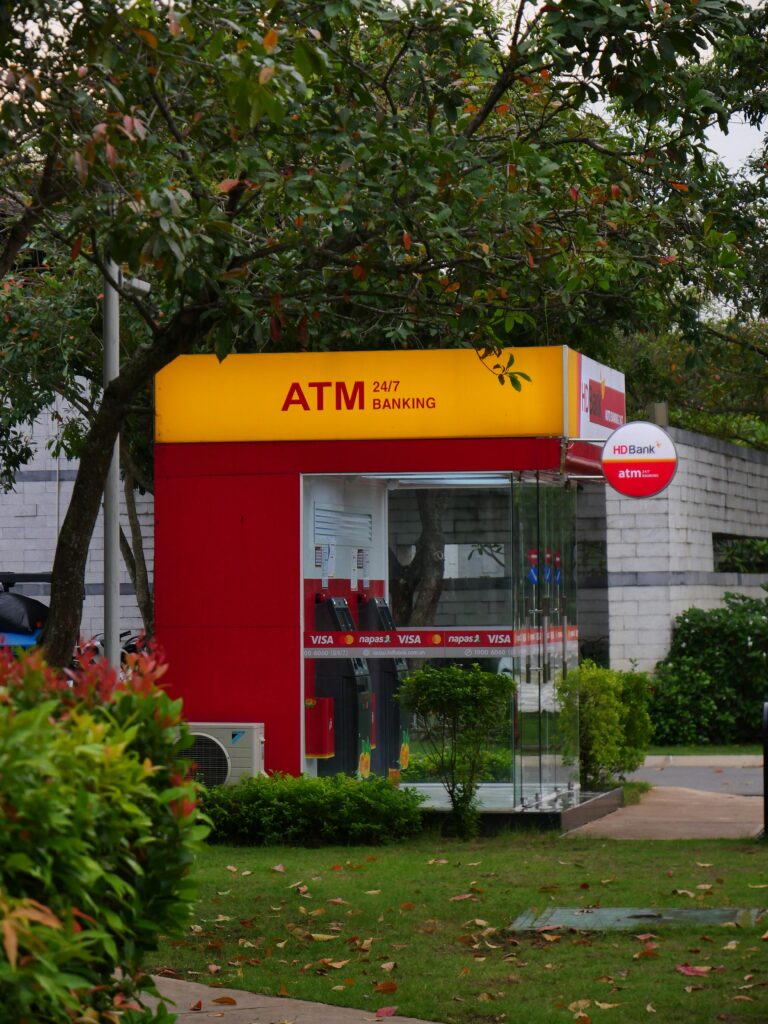
ATMs are widely available in Vietnamese cities and support Australian bank cards.
Understanding money and ATMs in Vietnam for Australians comes down to one key reality: Vietnam remains a cash-heavy country despite increasing card acceptance. Australian cards work well at ATMs and in larger establishments, but you’ll need Vietnamese dong for everyday transactions. Managing money successfully means knowing when to use cash, how to minimise ATM fees, and what your Australian bank cards can and can’t do.
This guide explains how payments actually work on the ground and how to avoid common mistakes.
Overview: How Payments Work in Vietnam
Vietnam operates on a mixed payment system. International hotels, shopping centres, and established restaurants accept cards. Smaller restaurants, street food vendors, markets, local transport, and most everyday purchases require cash.
Most guides say Vietnam is cash-heavy. What they don’t explain is how quickly card acceptance drops once you leave main tourist streets. Even in major cities like Hanoi and Ho Chi Minh City, Australians who rely entirely on cards face constant inconvenience. Taxis may accept cards through apps like Grab, but traditional taxis expect cash. Cafés accept cards inconsistently. Tour operators often prefer cash or add surcharges for card payments.
The practical approach: withdraw cash from ATMs regularly, use cards where convenient, and always carry enough dong to cover meals, transport, and incidental purchases.
Cash vs Card Reality
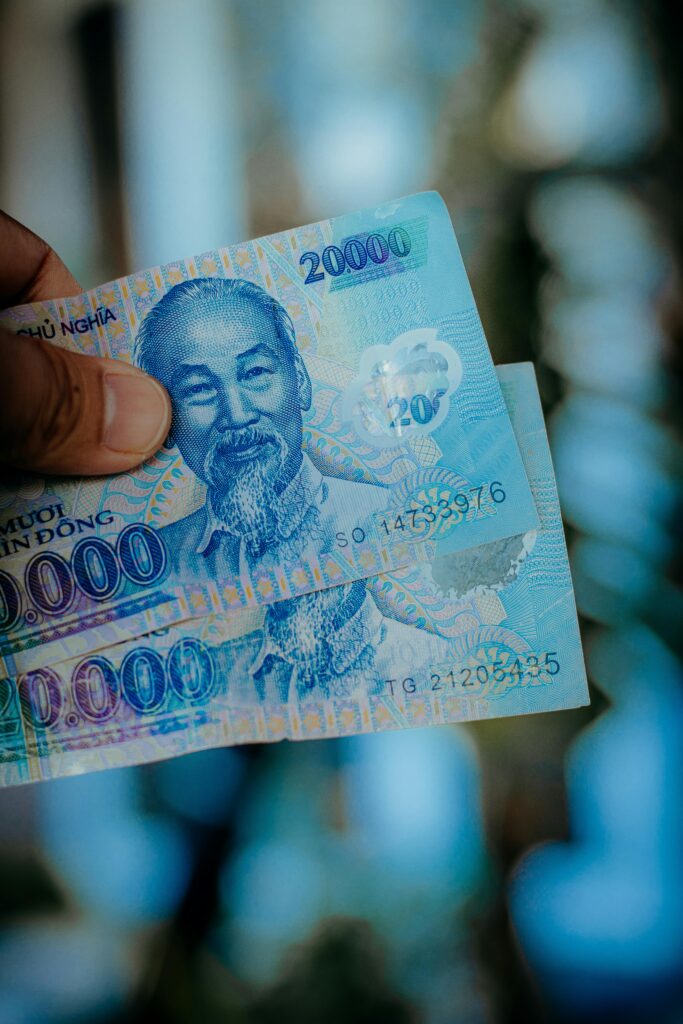
Vietnamese 200,000 dong banknotes commonly used for everyday purchases
Where cards work:
- International hotel chains and mid-range to upscale hotels
- Larger restaurants in tourist districts
- Shopping malls and branded retail stores
- Established tour operators and travel agencies
- Some cafés and bakeries in major cities
Where cash is essential:
- Street food vendors and local restaurants
- Markets (clothing, souvenirs, fresh food)
- Traditional taxis (non-Grab)
- Smaller guesthouses and family-run hotels
- Local buses and motorbike taxis
- Entrance fees at some temples and attractions
- Any transaction outside major tourist areas
What surprises Australians is that even places displaying Visa or Mastercard stickers sometimes claim their card machine is “broken” or add unexpected surcharges. Card surcharges (typically 2–3%) are common even where cards are accepted. Many businesses prefer cash to avoid these fees and may offer small discounts for cash payment.
Using ATMs in Vietnam
ATMs are widespread in cities and tourist areas. Finding one in Hanoi, Ho Chi Minh City, Da Nang, Hoi An, or Nha Trang is straightforward. Smaller towns and rural areas have fewer options.
Availability and withdrawal limits: Vietnamese ATMs typically allow withdrawals of 2,000,000–3,000,000 VND per transaction (roughly $120–$180 AUD), though some machines offer up to 10,000,000 VND. Your daily limit depends on your Australian bank’s settings, not the Vietnamese ATM.
This catches first-time visitors off guard: you often can’t withdraw as much as you’d like in one transaction. Plan for multiple withdrawals if you need significant cash, or find ATMs with higher limits.
Local ATM fees: Most Vietnamese ATMs charge 40,000–55,000 VND per withdrawal (roughly $3–$4 AUD). This fee applies regardless of withdrawal amount. HSBC ATMs charge lower fees or none for some international cards, but they’re less common.
Australian bank international fees: Australian banks typically charge:
- International transaction fees (1–3.5% of the withdrawal amount)
- ATM operator fees (separate from the Vietnamese ATM charge)
- Currency conversion margins built into exchange rates
Check your bank’s fee structure before travelling. Some Australian banks waive international ATM fees for premium accounts.
Why fewer, larger withdrawals are usually better: Since both Vietnamese ATMs and Australian banks charge per transaction, withdrawing 3,000,000 VND once costs less in total fees than withdrawing 1,000,000 VND three times. Balance this against safety—don’t carry more cash than you’re comfortable managing.
Use ATMs inside banks during business hours when possible. This reduces the risk of card skimming and provides immediate help if the machine malfunctions or retains your card.
Dynamic Currency Conversion (DCC)
Dynamic Currency Conversion is an option some Vietnamese ATMs offer during withdrawal.
What it is: The ATM asks whether you want to complete the transaction in Vietnamese dong or Australian dollars. It displays the conversion rate and total in AUD.
Why Australians should decline AUD conversion: Choosing AUD means the Vietnamese ATM sets the exchange rate, which includes significant markup (often 5–7% worse than standard rates). Your Australian bank no longer handles the conversion—you’ve locked in the ATM’s unfavourable rate.
Most guides don’t mention that this screen appears at the end of the withdrawal process when you’re tired and want your cash. The AUD option looks helpful, but it costs you substantially more.
Always choose Vietnamese dong: Select “Continue without conversion” or “Decline” when the DCC screen appears. Your Australian bank will convert dong to AUD at better interbank rates, even after their fees.
This applies to card purchases as well. If a shop or restaurant offers to charge your card in AUD rather than dong, decline.
Using Wise and Other Multi-Currency Cards in Vietnam
Wise (formerly TransferWise) is a multi-currency account and debit card that many Australians use for international travel.
What Wise is: Wise holds multiple currencies in one account and converts between them at mid-market exchange rates with transparent, low fees. The Wise debit card works like any Mastercard or Visa debit card.
Why Australians use Wise in Vietnam:
- Lower conversion fees than most Australian banks (typically 0.4–0.6% for AUD to VND)
- No international transaction fees on card purchases
- Transparent fee structure
- Ability to hold VND before arrival if rates are favourable
Where Wise cards work: Wise cards function wherever Mastercard or Visa is accepted. This includes most ATMs, hotels, restaurants, and shops that accept cards. They don’t increase acceptance beyond what your Australian bank card would offer—they simply reduce fees on transactions.
ATM compatibility: Wise cards work at Vietnamese ATMs but incur the same local ATM fees (40,000–55,000 VND) as other cards. Wise charges a small fee (around 2% after two free monthly withdrawals) for ATM use in addition to local fees.
Limitations: What surprises Australians is that Wise doesn’t eliminate the need for cash. You’ll still withdraw dong from ATMs regularly. Wise also shouldn’t be your only payment method—technical issues, card loss, or unexpected transaction blocks can occur. Always carry a backup Australian card.
Other multi-currency cards (Revolut, various bank travel cards) work similarly. Compare their fee structures, ATM policies, and customer service accessibility before choosing.
Australian Debit and Credit Cards
Most Australian debit and credit cards work reliably in Vietnam for ATM withdrawals and purchases.
Visa and Mastercard acceptance: Both Visa and Mastercard are widely accepted at Vietnamese ATMs and card terminals. American Express and Diners Club have limited acceptance—don’t rely on them as primary cards.
Notifying banks before travel: Tell your Australian bank you’re travelling to Vietnam and provide your travel dates. This prevents your card being blocked for suspicious overseas transactions. Most banks allow notifications through their apps or websites.
This catches first-time visitors off guard: even if you’ve notified your bank, cards can still be blocked if transaction patterns seem unusual. Save your bank’s international contact number before departure.
Daily withdrawal limits: Your Australian card’s daily limit applies in Vietnam. If your limit is $1,000 AUD and the exchange rate is approximately 16,500 VND to 1 AUD, you can withdraw roughly 16,500,000 VND per day (assuming the ATM allows it in one transaction).
Check and temporarily increase your daily limit before departure if needed. This prevents being unable to withdraw enough cash during your trip.
Carrying backup cards: Bring at least two different cards from different Australian banks or providers. If one is lost, stolen, blocked, or malfunctions, you have immediate alternatives. Store backup cards separately from your primary card and wallet.
Money Exchange and Currency Tips
ATMs vs exchange counters: ATMs provide better exchange rates than currency exchange counters in almost all cases. Licensed exchange booths offer marginally better rates than unlicensed street changers, but both lose to ATM rates.
Why airport exchanges are poor value: Airport exchange counters in both Australia and Vietnam offer the worst rates. Avoid exchanging money at airports unless absolutely necessary for immediate transport.
Withdraw dong from an ATM immediately after clearing customs instead. Vietnamese airports have multiple ATMs in arrivals areas.
Avoiding damaged notes: Most guides don’t mention that Vietnamese vendors sometimes refuse torn, excessively worn, or heavily soiled notes. ATMs occasionally dispense damaged notes. Check your withdrawal before leaving the ATM and request replacements from bank staff if notes are unacceptable.
Don’t accept damaged notes as change. Politely request alternatives—most vendors have clean notes available.
Tipping in Vietnam (Australian Expectations)
Tipping is not embedded in Vietnamese culture the way it is in some countries, but it’s increasingly common in tourist areas.
When tipping makes sense:
- Restaurants: 5–10% for good service (often already included as a service charge)
- Hotel porters: 20,000–50,000 VND per bag
- Tour guides: 100,000–200,000 VND per day for excellent service
- Spa and massage: 50,000–100,000 VND for exceptional service
Not expected:
- Street food vendors
- Taxis (round up fare if you like)
- Standard hotel check-in
- Shops and markets
Check restaurant bills for service charges before adding tips. Many establishments include 5–10% service fees automatically.
What surprises Australians is that tipping amounts are modest by Australian standards. Overtipping can create awkward situations or unrealistic expectations for future travellers.
Common Money Mistakes Australians Make
Carrying no cash: Assuming cards work everywhere leads to constant frustration. Always carry enough dong for at least one day’s meals, transport, and incidental costs.
Relying on one card: Card malfunctions, unexpected blocks, or loss can leave you stranded. Bring multiple cards from different providers and store them separately.
Accepting DCC: Choosing to be charged in AUD rather than dong costs 5–7% more. Always select Vietnamese dong for withdrawals and purchases.
Not understanding dong denominations: The large numbers and similar-looking notes confuse Australians initially. This catches first-time visitors off guard—20,000 VND notes look very similar to 200,000 VND notes. Organise notes by denomination in your wallet and take time to verify amounts, especially during your first few days.
Not checking ATM surroundings: Using ATMs in isolated areas late at night or on quiet streets increases risk. Choose ATMs inside banks, shopping centres, or well-lit, busy locations.
Managing money and ATMs in Vietnam for Australians is straightforward once you accept that cash dominates everyday transactions. Withdraw dong regularly from ATMs, decline dynamic currency conversion, use cards where convenient, and carry backup payment methods. Whether you use Australian bank cards, Wise, or other multi-currency options, the key is understanding their limitations and planning accordingly.
For broader arrival preparation—including visas, connectivity, transport, and safety awareness—refer to the comprehensive pre-departure checklist.
Last reviewed: Feb 2026
Content on this page is reviewed regularly (approximately every 3 weeks) to reflect changes to visa rules, entry requirements, and common issues affecting Australian travellers. Where requirements are critical, official government sources are referenced.